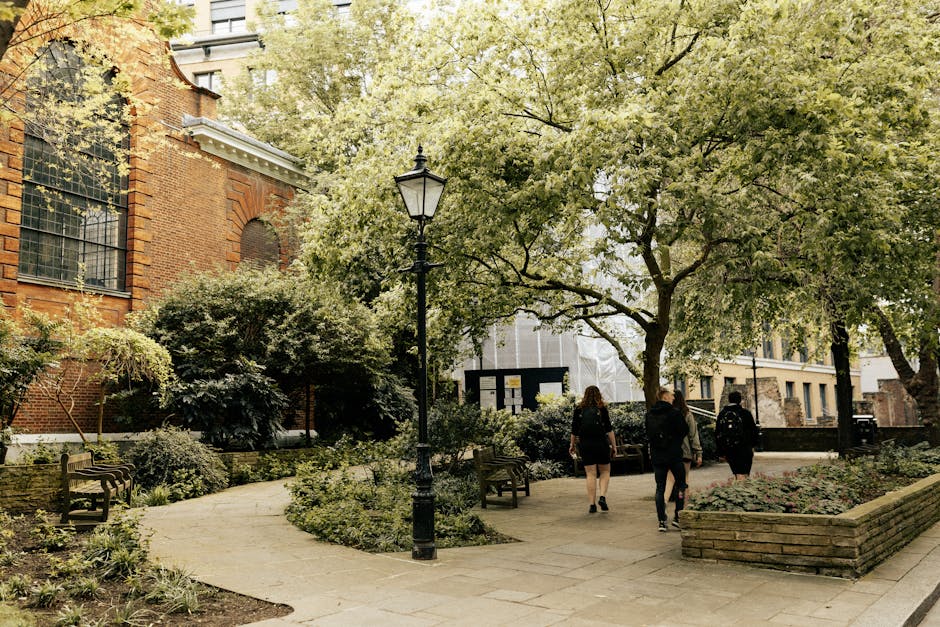
WC2 Gardeners Cost Checklist for Small Court Gardens
Small court gardens in WC2 can look effortless from the street, but anyone who has actually maintained one knows the reality: tight access, awkward corners, paving to protect, neighbours close by, and a long list of little jobs that quietly add up. That is exactly why a WC2 gardeners cost checklist for small court gardens is so useful. It helps you understand what you are paying for, where the money tends to go, and which tasks are worth prioritising first.
Whether you are pricing a one-off tidy-up, a seasonal refresh, or ongoing maintenance, the right checklist stops surprises before they start. It also makes it easier to compare quotes in a sensible way, rather than getting distracted by vague "garden care" promises. Let's face it, a small courtyard can eat budget in odd ways if you do not plan carefully.
This guide walks through the costs, the decision points, the practical checklist items, and the common mistakes people make when hiring gardeners for compact WC2 spaces. You will also find a comparison table, a realistic example, and a checklist you can use straight away.
Why WC2 Gardeners Cost Checklist for Small Court Gardens Matters
Small court gardens have a sneaky habit of looking simple while hiding a lot of labour. A few square metres of planting, a run of boundary hedging, some paved areas, and maybe a timber screen or raised bed can require more skill than a larger open garden. The work is often more detailed, and detail is where costs rise.
A checklist matters because it turns a general request into a proper brief. Instead of asking, "How much to tidy the garden?", you can ask for the price of specific tasks like lawn edging, hedge trimming, weed control, patio cleaning, soil improvement, and waste removal. That makes the quote easier to trust. It also reduces the chance of paying for work you did not need, or missing work that should have been included.
In WC2, space is usually tight and access can be awkward. A gardener may need to carry tools through narrow side passages, work carefully around shared walls, or take extra time to avoid damaging paving and planters. Those are real cost factors. Not dramatic, just real.
Another reason the checklist matters is planning. If you know what a regular visit includes, you can decide whether to book routine garden maintenance in WC2, a one-off clear-up, or a more focused job such as lawn mowing in Charing Cross or hedge trimming for a compact courtyard. That is the kind of clarity that saves both time and money.
How WC2 Gardeners Cost Checklist for Small Court Gardens Works
The checklist works by breaking a garden visit into costable parts. That sounds obvious, but many quotes still arrive as one broad figure. For a small court garden, the price usually depends on a mix of the following:
- Size of the space: even small gardens vary a lot in layout.
- Access: narrow gates, basement steps, or limited parking can slow the job.
- Condition: a mildly untidy courtyard costs less than one that needs full restoration.
- Materials: compost, mulch, gravel, plants, fixings, or timber can all change the total.
- Waste disposal: green waste and rubble are not handled the same way.
- Specialist work: tree work, fencing, decking, or hard landscaping often sits outside standard maintenance.
A good cost checklist asks for itemised answers. For example, instead of "garden clearance," you might break the job into weed removal, pruning, leaf collection, patio sweep and wash, and waste loading. That gives you a much cleaner comparison between providers.
It is also worth separating labour from materials. Some gardeners supply compost, topsoil, or plants as part of a package; others treat them as extras. If you are not careful, you can think one quote is cheaper when it only looks that way at first glance. Tricky little thing, that.
For compact spaces, the most useful services are usually those that improve appearance quickly without taking over the garden. Think patio cleaning in WC2, lawn care for small lawns, and general gardening services in Charing Cross when several small jobs need handling together.
Key Benefits and Practical Advantages
The biggest advantage is control. A checklist gives you a working budget rather than a guess. That matters when every extra metre of paving, planting, or screening affects the final bill.
- Better budgeting: you can decide what to do now and what to delay.
- Cleaner quotes: easier to compare like for like.
- Less wasted labour: the gardener arrives knowing the brief.
- More targeted upkeep: tiny gardens benefit from precise work, not sweeping over-service.
- Better long-term value: regular, right-sized maintenance often costs less than rescue work later.
There is also a design benefit. Small court gardens can feel cramped if they are overworked. A checklist helps you choose improvements that create breathing room: neat edging, disciplined pruning, cleaner surfaces, and a bit of structure. That is where services such as landscaping for compact spaces or decking services in WC2 can be worth considering, especially where a simple layout refresh will make the whole space feel calmer.
And yes, it can be emotionally useful too. Many people in central London use a small court garden as a reset space. A tidy checklist brings order to what can otherwise feel like an endless little project. You can actually finish things. Nice feeling, that.
Who This Is For and When It Makes Sense
This checklist is useful for homeowners, renters with permission to maintain the space, letting agents managing a small shared courtyard, and anyone overseeing a ground-floor garden or terrace in the WC2 area. It is especially helpful if the space has become a bit patchy over time.
You will get the most value from a checklist if you are facing one of these situations:
- The garden has not been maintained regularly and needs a reset.
- You want to compare quotes from different gardeners fairly.
- You have a limited monthly budget and need to prioritise.
- You are preparing a property for sale or letting and want the outside space to present well.
- You have had one expensive "catch-all" quote and want to understand what was actually included.
It also makes sense if the garden has a few structural features that may need specialist attention. Overgrown hedges, a tired fence, unstable tree growth, or worn paving can all change the cost picture. In those cases, a small court garden is no longer just a planting job. It becomes a mixed-service project. You might need tree surgery in Charing Cross, fencing work in WC2, or even a more general garden refresh that blends maintenance with small improvements.
Truth be told, the checklist is also useful for people who are fairly practical and like to know where every pound goes. No shame in that at all.
Step-by-Step Guidance
Here is a straightforward way to build and use your cost checklist for a small court garden.
1. Measure the area and note access
Start with the basics: roughly how large is the space, and how easy is it to reach? Note any narrow paths, steps, locked access points, basement entry, or places where tools and waste will need to be carried by hand. These details affect labour time more than many people expect.
2. List the visible jobs
Walk through the garden slowly and write down everything you can see. Include the obvious tasks and the annoying little ones too: weeds between paving, moss on steps, dead stems, leaf build-up, pruning, overgrown climbers, edging, and any broken fixings. In a compact space, neglected details stand out.
3. Separate routine work from specialist work
Routine work usually includes mowing, pruning, weeding, sweeping, watering checks, and general tidy-up. Specialist work includes hedge reshaping, tree work, hard landscaping, fence repair, and decking installation or restoration. If you mix the two, the quote becomes muddier than it should be.
4. Ask for labour, materials, and waste as separate lines
This is the heart of the checklist. Ask the gardener to show labour cost, materials cost, and waste disposal cost separately. If they offer a package, ask what is inside it. If they do not itemise, you can still ask for a written breakdown. A decent professional will not mind.
5. Decide what is essential now
For a small court garden, not everything needs doing at once. Prioritise safety, access, and the things that change the look of the space most quickly. Usually that means clearing debris, taming growth, cleaning surfaces, and dealing with any damaged structure.
6. Compare quotes on the same basis
Only compare quotes when they cover the same scope. If one gardener includes weed control, waste removal, and a follow-up visit while another does not, the lower price may be misleading. Compare like for like or you will be guessing.
7. Review the plan seasonally
Small gardens change fast. Spring growth, summer watering needs, autumn leaf fall, and winter cleaning all shift the workload. A cost checklist is not something you do once and forget. It works best as a living document, updated a couple of times a year.
Expert Tips for Better Results
Small court gardens reward precision. The job is rarely about brute force; it is about using the right amount of effort in the right place. Here are some things experienced gardeners tend to keep in mind.
- Bundle similar jobs together. If the team is already on site, it often makes sense to combine hedge cutting, weeding, and light pruning in one visit.
- Choose low-ongoing-maintenance features. Ground covers, container planting, and well-chosen climbers can reduce future spend. If you are exploring this, the article on ground covers for UK gardens is a useful companion read.
- Fix the edges. Neat borders and clear edges make even a modest garden feel cared for, and it is often cheaper than a full redesign.
- Do not ignore soil. If the planting area looks tired, a bit of soil improvement can make planting more successful and reduce replacement costs later. There is a helpful reason people talk about nourishing soil effectively so much.
- Use pruning as a design tool. A good prune can open up light, improve airflow, and make the whole court feel larger.
If your garden is exposed to wind, a little extra planning goes a long way. Compact spaces can be surprisingly draughty, especially between buildings. The guidance in resilient gardening for windy conditions can help you avoid planting choices that become expensive mistakes later.
And one more thing: if a gardener gives you a quote that feels suspiciously tidy and simple, ask what is not included. That question alone can save you a headache. Maybe even two.
Common Mistakes to Avoid
People usually do not overspend on small court gardens because they are careless. More often, they overspend because the space is awkward and the quote is vague. Here are the pitfalls that show up again and again.
- Requesting a vague "general tidy-up" without a scope. This is the fastest way to get inconsistent quotes.
- Forgetting access costs. Long carry distances, lack of parking, or restricted working hours can matter.
- Ignoring waste removal. A tidy garden job can look cheap until disposal is added.
- Letting weeds get out of hand. What could have been a small maintenance task becomes a heavier clearance job.
- Assuming all services are interchangeable. A gardener, a landscaper, and a tree surgeon are not the same thing.
- Choosing planting without thinking about upkeep. Beautiful but high-maintenance planting can quickly become a drain on the budget.
One subtle mistake is over-improving a tiny space. It is tempting. You start with one broken corner and suddenly you are considering new paving, raised beds, fencing, lighting, and a full planting scheme. Very easy trap. In a small court garden, each change should earn its place.
Another common slip is not revisiting the plan after the first visit. The first tidy-up often reveals new priorities, especially around drainage, shade, or patchy growth. The garden tells you things, if you listen.
Tools, Resources and Recommendations
You do not need fancy software to manage a gardening budget. A simple notebook, spreadsheet, or notes app is enough if you keep it up to date. What matters is consistency.
Useful items to track include:
- garden dimensions and access notes
- a list of current tasks
- quote lines from each gardener
- materials required and who supplies them
- seasonal jobs that will recur
- before-and-after photos for comparison
For actual work, a strong service plan for a small court garden may draw on a mix of maintenance and specialisms. If the layout needs reshaping or surface improvements, consider landscaping support in Charing Cross. If the garden includes a terrace or raised sitting area, decking services may be relevant too. If your focus is simply keeping everything neat and manageable, regular maintenance is often the most cost-effective route.
For planting-led spaces, useful reading can also include container gardening ideas, herb garden inspiration, and guidance on seating areas if you are trying to make a small court garden feel more usable.
Law, Compliance, Standards, or Best Practice
For a small court garden, the main compliance concerns are usually practical rather than legal drama. Still, they matter. If a gardener is carrying out tree work, fence work, or any task that could affect neighbouring property, they should work carefully and follow normal UK safety and waste-handling practice. If there are shared boundaries or communal access routes, agree responsibilities in writing where possible.
For waste, ask how green waste and rubble will be removed. Good practice is to dispose of materials lawfully and in a traceable way. You do not need a lecture on paperwork, but you do need confidence that waste is being handled properly. That is standard professional conduct.
If the work involves pruning near boundaries, climbing into awkward positions, or using powered tools in a confined space, proper risk awareness matters. In plain English: a small garden does not mean small risk. Tools, trip hazards, and close proximity to glass, walls, and neighbours all call for care.
Best practice also includes written scope, confirmation of what is excluded, and clarity on who provides materials. For central London properties, this is not overkill. It is sensible. The more compact the space, the more important it is to agree the details before work starts.
Options, Methods, or Comparison Table
When budgeting for a small court garden, the main decision is usually not whether to spend, but where to spend first. This simple comparison can help.
| Option | Best for | Typical value | Watch-outs |
|---|---|---|---|
| One-off tidy-up | Neglected or seasonal refresh jobs | Fast visual improvement | May not solve recurring issues |
| Regular maintenance | Small gardens that need ongoing control | Predictable spend and neat presentation | Requires routine scheduling |
| Targeted specialist work | Hedges, trees, fencing, decking, or surface fixes | Solves specific problems properly | Can be pricier than basic maintenance |
| Full redesign or landscaping | Spaces with poor layout or tired structure | Biggest long-term transformation | Higher upfront cost, needs clear brief |
If your court garden is mostly functional but messy, regular maintenance is usually the smartest starting point. If the space feels cramped because the layout is wrong, landscaping may be better value. And if the problem is one broken feature, such as a rotten fence or overgrown hedge, a targeted specialist job can be the most efficient solution.
Case Study or Real-World Example
Imagine a small WC2 court garden behind a townhouse. It has a narrow planted strip, a paved sitting area, one small lawn patch, and a hedge that has crept a little too confidently into the year. The owner wants it back in shape before a family gathering, and the garden has not had much attention since late autumn.
Instead of asking for a blanket price, they prepare a checklist. The requested work includes weeding between paving, hedge trimming, lawn edging, patio cleaning, light pruning, soil top-up for the planting bed, and removal of clippings. They also note that access is via a side passage and that waste will need to be carried through the property.
The result is a much more useful set of quotes. One gardener offers a tidy-up only. Another includes waste removal and a second visit for finishing touches. A third suggests a small layout improvement and a better planting plan because the bed is struggling in shade. The cheapest quote is not the best one, and that becomes obvious very quickly.
The owner chooses a mix: maintenance for the routine tasks, plus targeted help for the hedge and the patio. Afterward, the garden feels brighter, less cluttered, and more usable. Nothing flashy. Just calmer, which is often what a small court garden needs most.
If the same garden had been left for another six months, the job would likely have shifted into heavier clearance work. That is the quiet lesson here: small, regular spend is usually easier to manage than one big rescue bill.
Practical Checklist
Use this checklist before you request quotes or book a visit. It keeps the conversation grounded and helps the gardener price the job properly.
- Measure the garden roughly. Note any tight access, steps, or carry distance.
- List every visible task. Include weeds, pruning, leaf clearance, moss, edging, and surface cleaning.
- Separate routine work from specialist work. Keep hedge, tree, fence, decking, and landscaping items distinct.
- Ask what is included in labour. Confirm whether tidying, sweeping, and waste loading are covered.
- Ask who supplies materials. Compost, plants, topsoil, gravel, or fixings should be clear.
- Check waste disposal terms. Green waste and bulky waste may be priced differently.
- Prioritise safety and access. Mention hazards, narrow paths, or shared boundaries.
- Compare quotes on the same scope. Do not mix package pricing with itemised pricing unless you understand the differences.
- Think seasonally. Decide what needs doing now and what can wait.
- Keep a simple record. Save the quote, date, photos, and notes for next time.
Quick takeaway: if the quote is clear, the scope is clear, and the space is small, your budget has a far better chance of staying under control. Simple as that.
Get a free quote today and see how much you can save.
Conclusion
A small court garden in WC2 deserves a pricing approach that matches its reality: compact, detailed, and often a little awkward to maintain without a plan. A proper checklist gives you that plan. It helps you compare work fairly, avoid inflated quotes, and focus spend where it actually improves the garden.
Whether you need routine care, a one-off refresh, or a more involved mix of trimming, cleaning, and small-scale improvements, the right checklist keeps the process calm and practical. And in a tight London courtyard, calm is worth a lot. Maybe more than people admit.
Take the time to map the job properly, ask better questions, and choose the work that genuinely improves how the space looks and feels. That is usually where the best value sits.
Frequently Asked Questions
How much do gardeners usually charge for a small court garden in WC2?
Prices vary by access, condition, and the type of work involved. A simple tidy-up is usually cheaper than a full clearance or specialist work such as hedge cutting, tree surgery, or landscaping. The most reliable way to judge cost is to ask for an itemised quote.
What should be included in a gardeners cost checklist?
At minimum, the checklist should cover labour, materials, waste removal, access details, and a list of tasks. For small court gardens, it also helps to note paving, planting beds, boundary features, and any awkward entry points.
Is a one-off tidy-up cheaper than regular maintenance?
Usually, yes in the short term. But repeated neglect can make a one-off tidy-up much more expensive later. Regular maintenance often gives better value over time because the garden stays under control.
Why do small gardens sometimes cost more than expected?
Small spaces can be labour-intensive. Tight access, delicate surfaces, shared boundaries, and detailed finishing work all add time. It can be more fiddly than people think.
Should I ask for waste removal to be included in the quote?
Definitely. Waste removal can change the final price quite a bit. If it is not included, ask exactly how it will be charged and what happens to green waste, soil, and any bulky materials.
When is specialist help needed instead of general gardening?
If you have significant overgrowth, a tree issue, broken fencing, worn decking, or structural changes to the garden layout, specialist help is often the right call. General maintenance is great, but it is not always enough.
How often should a small court garden be maintained?
That depends on planting style and exposure, but many small gardens benefit from attention every few weeks during the growing season. Fast-growing hedges and lawns can need more regular care.
Can I reduce gardening costs by changing the planting style?
Yes. Low-maintenance planting, container schemes, and ground covers can reduce repeated labour. The key is choosing plants that suit the space, light levels, and your tolerance for upkeep.
What if the quote looks too cheap?
Ask what is included. A cheap quote may exclude waste removal, materials, extra visits, or finishing work. Sometimes the cheapest number is the least helpful one.
Do I need a written quote for a small garden job?
It is strongly advisable. A written quote helps prevent misunderstandings and gives you something to compare later if more work is needed.
What is the biggest mistake people make with small garden budgets?
The most common mistake is failing to define the scope clearly. Once the brief is vague, the budget becomes vague too. A bit of preparation fixes that.
How do I know whether to choose maintenance or landscaping?
If the garden mainly needs keeping neat, maintenance is usually enough. If the layout is awkward, the surfaces are tired, or the space does not function well, landscaping may offer better long-term value.
Can a small court garden still benefit from design advice?
Absolutely. In fact, compact spaces often benefit the most from design thinking because every choice has a visible impact. Better structure, cleaner lines, and smarter planting can make the whole area feel larger and calmer.
How do I prepare before asking for a quote?
Walk the garden, list the jobs, note any access issues, and decide what matters most. If you can explain the space clearly, you are much more likely to get an accurate quote and a smoother result.